


Discover Nanny Still's other works
-
Glass 1661, Harlekiini, Nanny Still, Riihimäen Lasi
Regular price 320,00 EURRegular price -
Glass 1118, Tzarina, Nanny Still, Riihimäen Lasi
Regular price 180,00 EURRegular price -
Pitcher and Glass, T/335, Nanny Still, Riihimäen Lasi
Regular price 330,00 EURRegular price -
Pitcher 1743, Harlekiini, Nanny Still, Riihimäen Lasi
Regular price 250,00 EURRegular price -
Vase 1444, Tiimalasi, Nanny Still, Riihimäen Lasi
Regular price 150,00 EURRegular price -
Carafe 1710, Flindari, Nanny Still, Riihimäen Lasi
Regular price 170,00 EURRegular price -
Decorative bottle 1789, Tzarina, Nanny Still, Riihimäen Lasi
Regular price 350,00 EURRegular price -
Carafe, Sulttaani, Nanny Still, Riihimäen Lasi
Regular price 170,00 EURRegular price

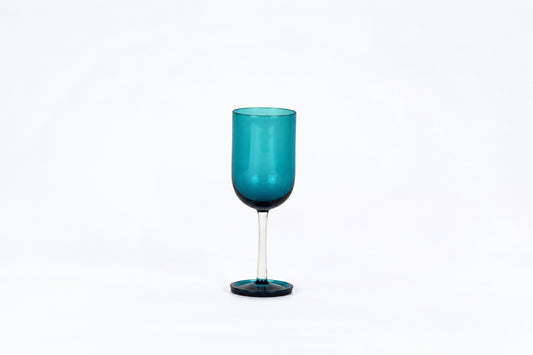

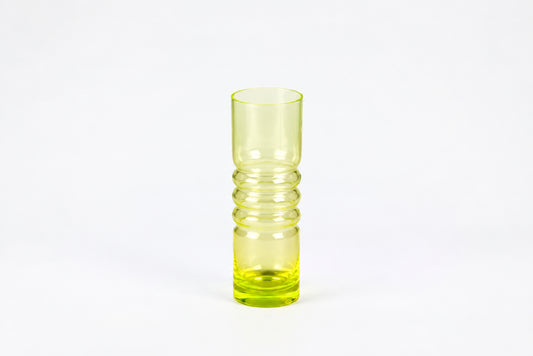

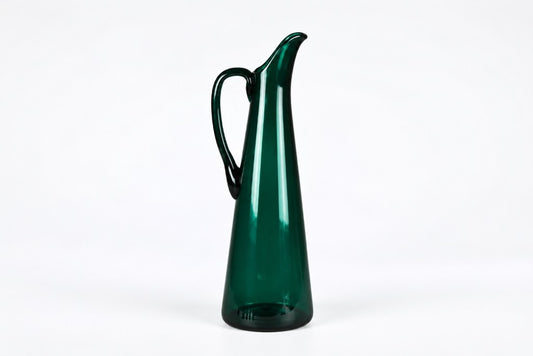


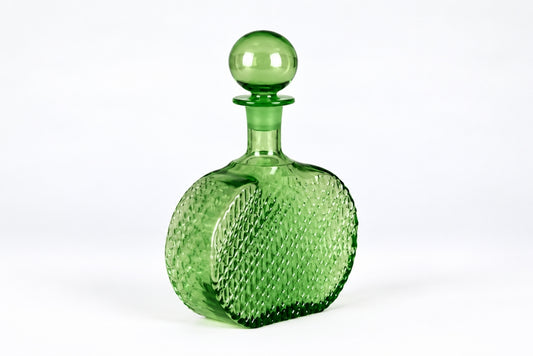

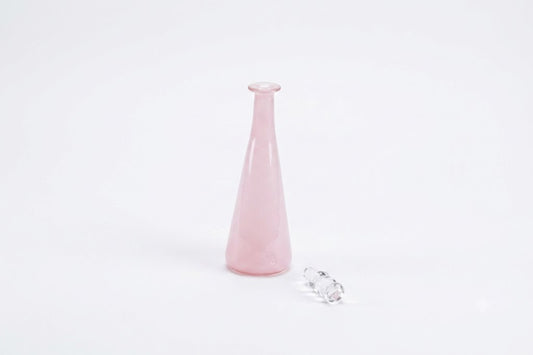

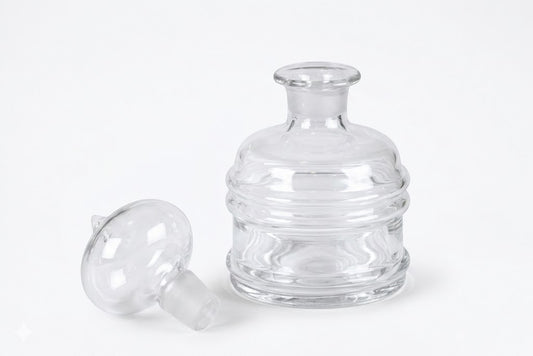

Nanny Still
Nanny Elisabet Still McKinney (1926–2009). One of Finland's most celebrated glass designers, Nanny Still transformed Scandinavian glass with her fearless creativity, vibrant colours and remarkable technical skill. After graduating from the Institute of Industrial Arts in Helsinki in 1949, she won Riihimäen Lasi's Nordic design competition and immediately joined the factory's design team, where she remained for more than twenty-five years. Among the first women to establish a successful career in Finnish glass design, Still created both elegant everyday glassware and highly sculptural art glass, constantly pushing the possibilities of the material. Her best-known collections - including Grapponia, Harlekiini and Flindari - combined bold forms, rich colours and exceptional craftsmanship, while later works explored increasingly experimental sculptural techniques such as pâte de verre. After moving to Brussels in 1959, she continued designing internationally, particularly for Rosenthal in Germany, while maintaining her reputation as one of Finland's leading glass artists. Today, her work is admired worldwide for its originality, technical innovation and enduring influence on modern glass design.
(Photo source: Helsingin Sanomat)