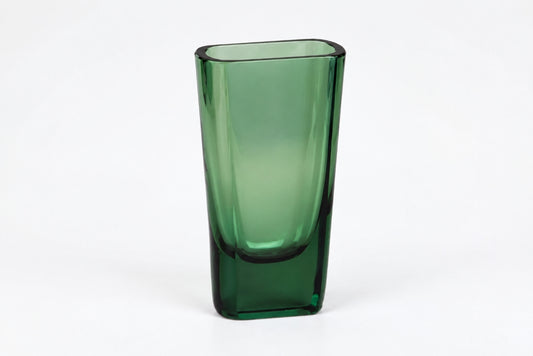
Karhulan Lasi, カルフラン・ラシ, 카르훌란 라시 - Royal SiO2

KARHULAN LASI – The industrial powerhouse of Finnish glass


Founded in 1889, Karhulan Lasi grew from a bottle factory on Finland's southeast coast into Finland's largest and most influential glass manufacturer. From everyday household glass and bottles to fine crystal and art glass, the factory helped shape the country's glass industry for more than a century.

  • By 1910, Karhula had become Finland's leading glassworks, driven by continuous investment in industrial production, new technologies and skilled craftsmanship. Its scale and innovation established the factory as the powerhouse of Finnish glassmaking for decades to come.

  • Karhula also became home to some of Finland's most celebrated designers, including Göran Hongell, Aino Aalto and Alvar Aalto. Their work helped define the clean, functional style that would later become recognised around the world as Scandinavian design.

  • Today, Karhulan Lasi is remembered as one of the foundations of Finnish glassmaking. Its remarkable combination of industrial excellence, technical innovation and timeless design continues to inspire collectors and design enthusiasts around the world.

Timeline

  • 1888 – Karhulan Lasi Oy is established by industrialist William Ruth, laying the foundation for one of Finland's most important glassworks.

    1889 – Glass production begins, initially focusing on bottles, household glass and industrial products.

    1910 – Karhula becomes Finland's largest glassworks, marking its rise as the industrial powerhouse of Finnish glass.

    1915 – Karhula Osakeyhtiö is acquired by A. Ahlström Corporation, beginning a new era of expansion and investment.

    1932 – Göran Hongell becomes the first designer employed by a Finnish glassworks, introducing a close collaboration between designers and master glassblowers.

    1936 – Alvar Aalto wins the Karhula–Iittala glass design competition with the design that would become the world-famous Aalto Vase.

    1937 – The first Aalto Vases are produced at Karhula and presented at the Paris World Exposition, bringing international recognition to Finnish glass design.

    1940s–1950s – Karhula experiences its golden age of art glass while continuing large-scale industrial production.

    Early 1950s – Ahlström gradually transfers art glass production to its Iittala glassworks, while Karhula increasingly focuses on automated bottle and packaging glass.

    1995 – The factory is acquired by Owens-Illinois, continuing bottle production under new ownership.

    2009 – Glass production ends at the historic Karhula factory, closing one of Finland's longest-running and most influential glassworks.

    Today – Karhulan Lasi remains one of the cornerstones of Finnish glass history. Its innovative designs, industrial achievements and exceptional craftsmanship continue to be admired by collectors around the world.

Why collectors love Karhulan Lasi

  • Collectors appreciate Karhulan Lasi not only for its beautiful glass, but also for its exceptional place in Finnish design history. As one of the country's largest and most influential glassworks, Karhula combined industrial innovation with artistic excellence on a scale few factories could match. From elegant crystal and functional household glass to pioneering art glass, Karhula produced objects that reflected both everyday practicality and outstanding craftsmanship.

  • Many iconic Finnish designs were developed or first manufactured here before becoming recognised around the world. Today, original Karhulan Lasi pieces are valued for their quality, historical importance and timeless design. Whether displayed as art glass or treasured as part of a collection, they represent one of the defining chapters in the story of Finnish glassmaking.

Karhulan Lasi legends

Göran Hongell, イェラン・ホンゲル, 예란 훙겔 - Royal SiO2

Göran Hongell

The first designer of a Finnish glassworks

Discover the works of Göran Hongell
Aino Aalto, アイノ・アールト, 아이노 알토 - Royal SiO2

Aino Aalto

The mother of everyday glass

Discover the works of Aino Aalto
Alvar Aalto, アルヴァ・アールト, 알바 아알토 - Royal SiO2

Alvar Aalto

Most iconic design is the Aalto Vase by Alvar Aalto

Discover the works of Alvar Aalto

Did you know?

  • Karhula helped shape Finnish design

    Many of Finland's best-known designers worked with Karhula, making the factory one of the key centres where modern Finnish glass design evolved.

  • Art and industry worked side by side

    While Karhula became famous for its artistic glass during the 1930s–1950s, it remained one of Finland's most important industrial glass manufacturers throughout its history.

  • Karhula was once better known than Iittala

    Until the 1950s, the Karhula name was often more widely recognised than Iittala, both in Finland and abroad. Products were marketed under the Karhula-Iittala name for decades.

  • Finland's first glassworks designer worked here

    In 1932, Göran Hongell became the first full-time designer employed by a Finnish glassworks, establishing a new way of collaboration between designers and master glassblowers.

  • The first Aalto Vases were made in Karhula

    Although the Aalto Vase is closely associated with Iittala today, the very first examples were produced at Karhulan Lasitehdas following the 1936 Karhula–Iittala design competition and were first shown at the 1937 Paris World Exposition.

  • Karhula made glass for everyday life

    From preserving jars and medicine bottles to elegant crystal and art glass, Karhulan Lasi produced millions of objects that became part of everyday Finnish life.

Every Karhulan Lasi piece reflects more than a century of Finnish craftsmanship, innovation and industrial excellence. At Royal SiO₂, we carefully select original pieces that honour this remarkable legacy.