

Discover Aino Aalto's other works
-
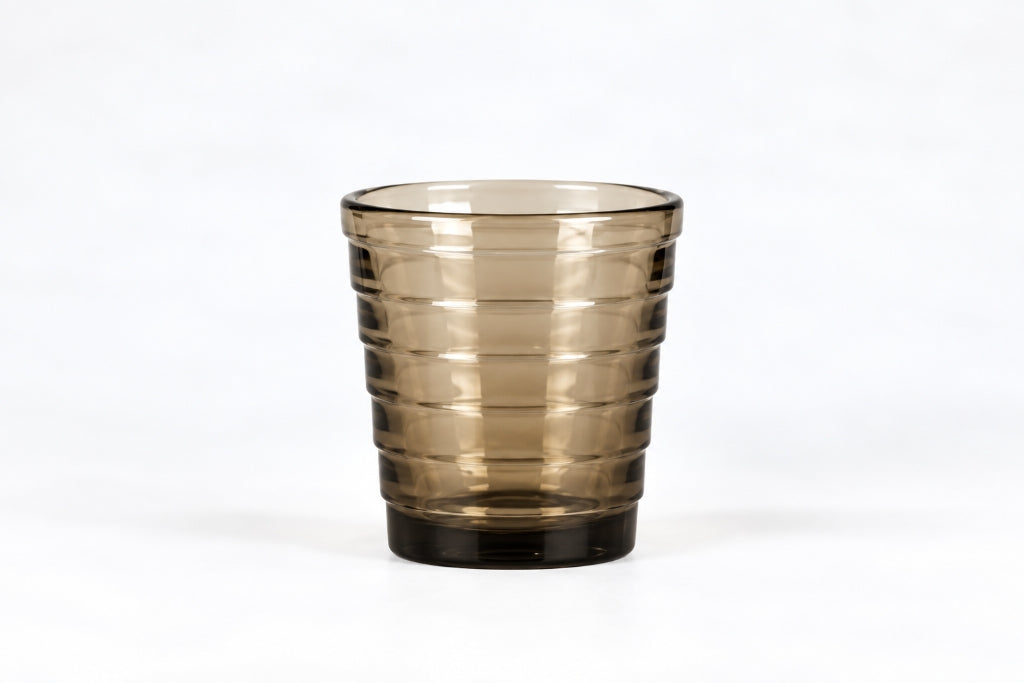
Glass 2049, Bölgeblick, Aino Aalto, Karhulan Lasi
Regular price 110,00 EURRegular price -
Glass 2049, Bölgeblick, Aino Aalto, Karhulan Lasi
Regular price 110,00 EURRegular price -
Glass, Bölgeblick, Aino Aalto, Karhulan Lasi
Regular price 110,00 EURRegular price


Aino Aalto
Aino Maria Marsio-Aalto (1894–1949). One of the pioneers of modern Finnish design, Aino Aalto combined architecture, interiors, furniture and glass into a timeless vision of functional living. After graduating in architecture from the Helsinki University of Technology in 1920, she became the first woman admitted to the Finnish Association of Architects and Engineers before joining Alvar Aalto's architectural office, where the two began one of the most influential creative partnerships in Nordic design. Although many of their projects were developed collaboratively, Aino established a distinctive design philosophy of her own, believing that beautifully designed objects should be practical, accessible and seamlessly integrated into everyday life. As a co-founder of Artek in 1935 and its Managing Director from 1941 until her death, she played a central role in shaping the company's identity and international success. Her most celebrated design, the Bölgeblick glassware series for Karhula-Iittala, introduced in 1932, drew inspiration from the gentle ripples created by a stone falling into water. Its stackable pressed-glass design became a milestone of functionalist design, earning a Gold Medal at the 1936 Milan Triennale and remaining in continuous production today as the Aino Aalto Collection. Beyond glass, Aino designed furniture, lighting, textiles and interiors that helped define the warm, human-centred character of Finnish modernism. Today, her work is recognised as a cornerstone of Nordic design, admired for its enduring simplicity, practicality and quiet elegance.
(Photo source: Alvar Aalto Foundation)