


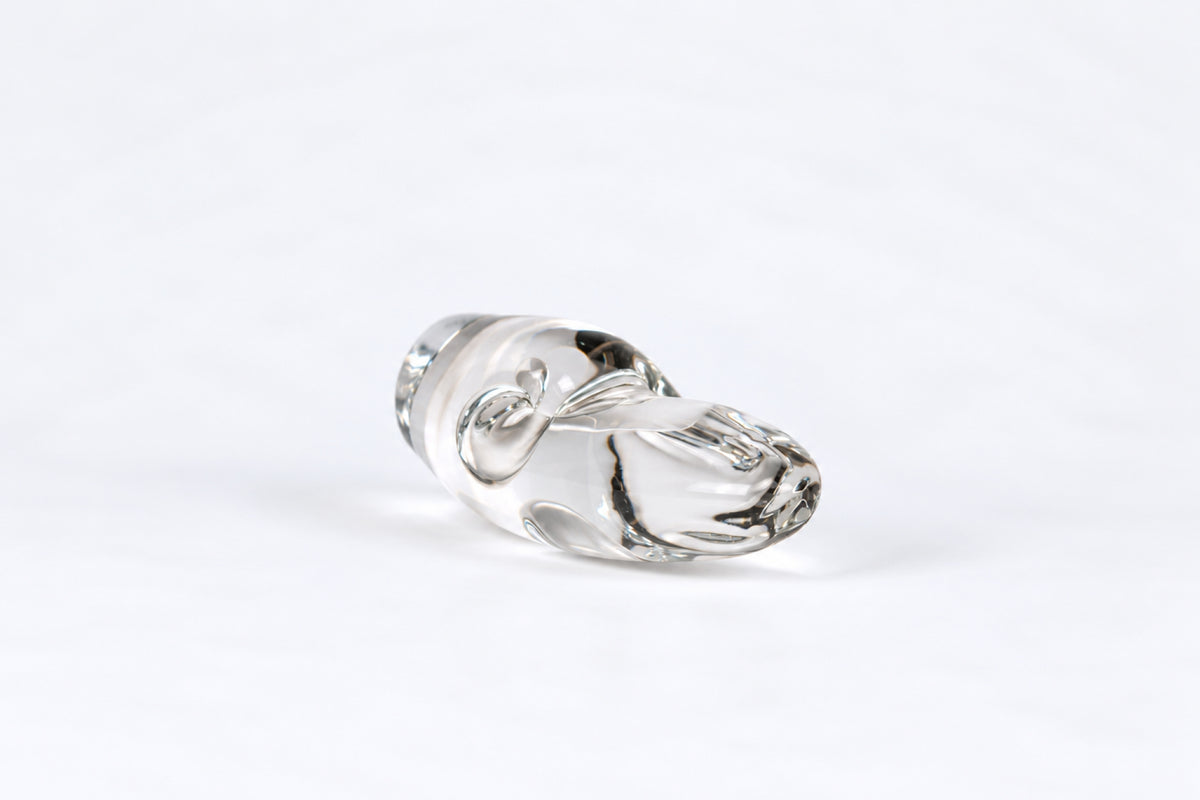
Discover Timo Sarpaneva's other works
-
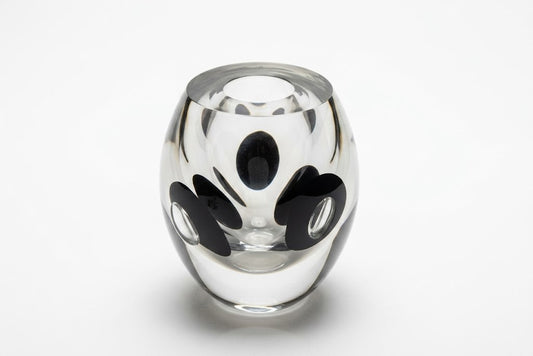
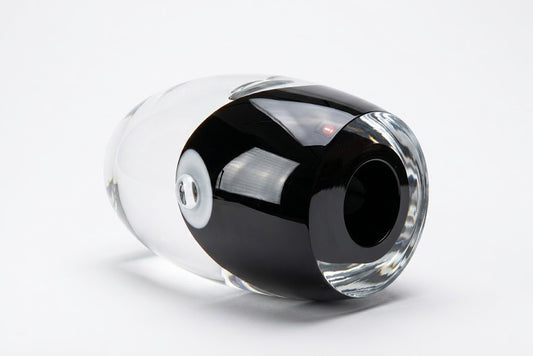
Glass sculpture Hiidennyrkki, Hiidenkirnu, Timo Sarpaneva, Iittala
Regular price 920,00 EURRegular price -
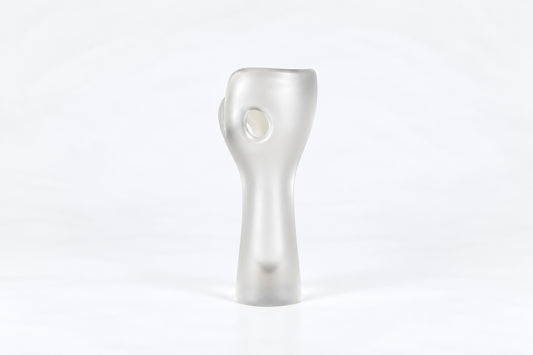
Vase, Claritas, Timo Sarpaneva, Iittala
Regular price 1.370,00 EURRegular price -
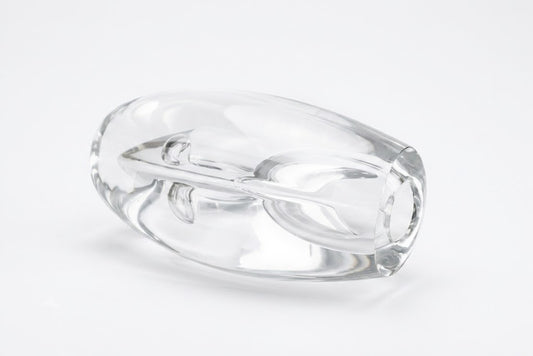
Vase, Claritas, Timo Sarpaneva, Iittala
Regular price 1.500,00 EURRegular price -
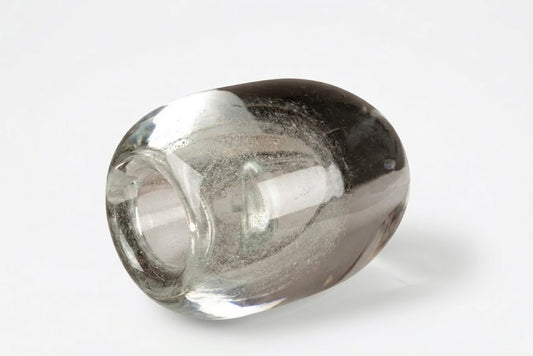
Vase 3635, Claritas, Timo Sarpaneva, Iittala
Regular price 1.450,00 EURRegular price -
Vase, Claritas, Timo Sarpaneva, Iittala
Regular price 1.150,00 EURRegular price -
Vase, Marcel, Timo Sarpaneva, Iittala
Regular price 590,00 EURRegular price -
Vase 2758, Grandola, Timo Sarpaneva, Iittala
Regular price 240,00 EURRegular price -
Vase 3381, Finlandia, Timo Sarpaneva, Iittala
Regular price 240,00 EURRegular price









Timo Sarpaneva
Timo Tapani Sarpaneva (1926–2006). One of the most influential Finnish designers of the 20th century, Timo Sarpaneva worked across glass, textiles, porcelain, metal and industrial design. He graduated from the Institute of Industrial Arts in Helsinki in 1948, where he studied under Arttu Brummer. His early experience in his grandfather’s blacksmith workshop gave him a practical connection with materials, fire and craftsmanship. Sarpaneva joined Iittala in 1950 and became one of the central figures in the development of Finnish glass design. Working closely with master glassblowers, he experimented with glassmaking techniques and created works including the i-line collection, Orchid, Kajakki, Finlandia and Festivo. His Kajakki was listed in the 1991 Guinness Book of Records as the world’s most expensive modern glass artwork. His international breakthrough came at the Milan Triennale, where his work received several major awards. In 1957 he was awarded the Grand Prix as exhibition architect, and from 1958 to 1965 he designed international exhibitions of Finnish design presented across Europe, Asia and South America. He also worked extensively with textiles, including the Karelia collection for Porin Puuvilla, and developed the patented Ambiente printing method in 1965. Sarpaneva designed for industry as well as the art market. His cast-iron cookware for Rosenlew, introduced in 1960, became one of his best-known designs. His Suomi porcelain collection for Rosenthal, developed over five years, combined white porcelain with polished steel and received the Italian President’s Gold Medal at Faenza in 1976. His later glass work included the experimental Finlandia, Arkipelago and Claritas series. From the late 1980s, Sarpaneva worked with the Venetian glassmaker Venini and later with Murano maestro Pino Signoretto, exploring techniques and forms different from his earlier Finnish production. He also designed glassware and silver for Mäntyniemi, the official residence of the President of Finland. Sarpaneva received multiple Grand Prix awards at the Milan Triennale, the Pro Finlandia Medal and numerous international honours. His red i logo became an enduring symbol of Iittala, while his work across glass, textiles, porcelain, metal and industrial design remains an important part of Finnish design history.
(Photo source: Timo Sarpaneva legacy)