


Discover Helena Tynell's other works
-
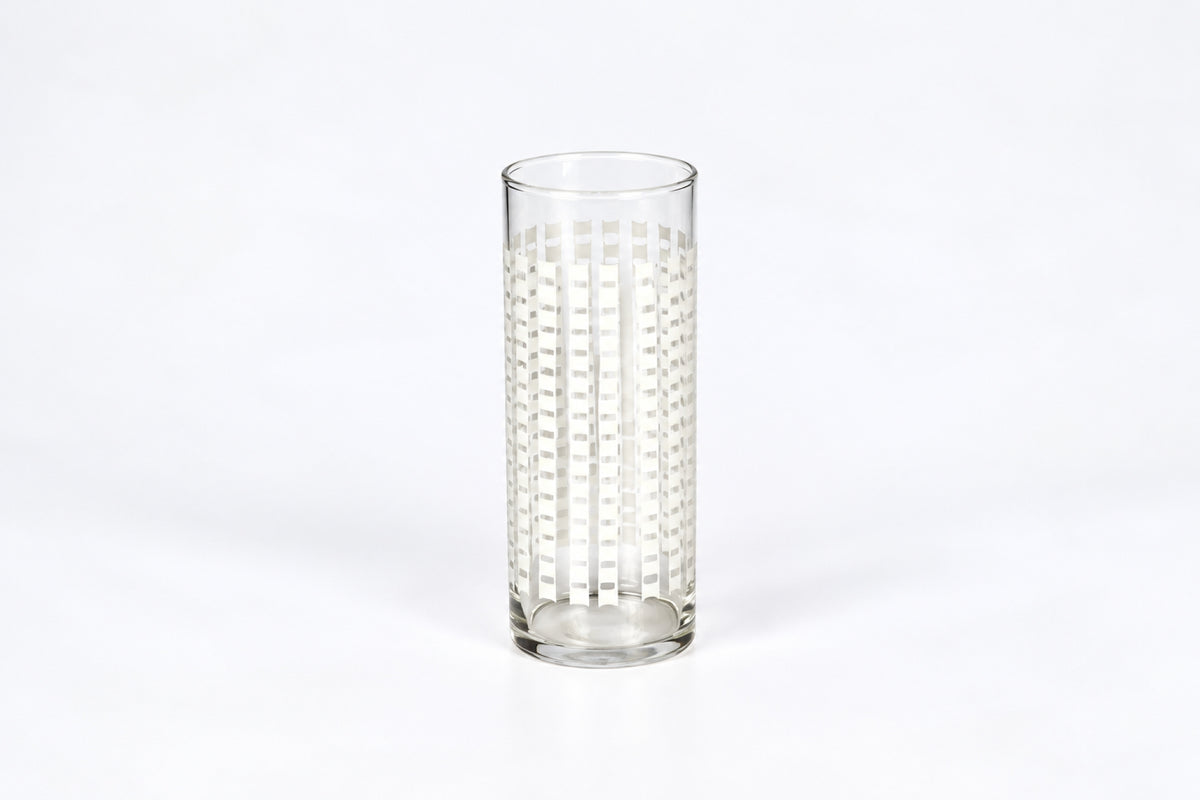
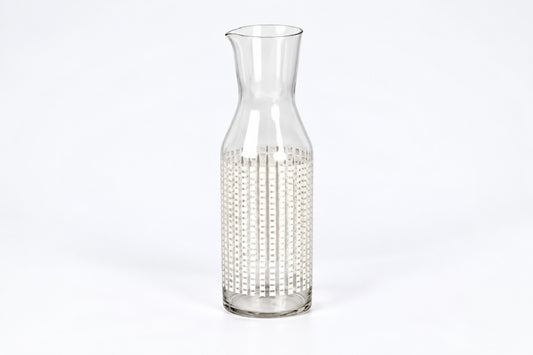
Carafe and Glass, Tikapuut, Helena Tynell, Riihimäen Lasi
Regular price 160,00 EURRegular price -
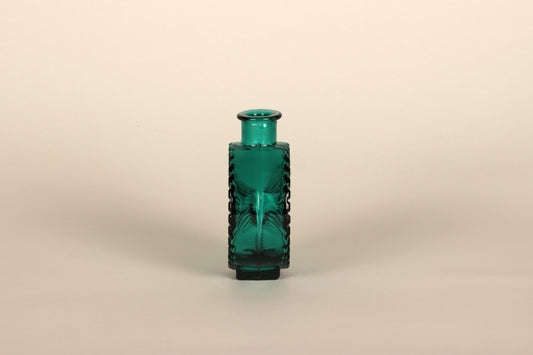
Vase 1310, Emma, Vanha Kartano, Helena Tynell, Riihimäen Lasi
Regular price 160,00 EURRegular price -
Decorative bottle 1394, Aurinkopullo, 2/4, Aurinko, Helena Tynell, Riihimäen Lasi
Regular price 470,00 EURRegular price -
Glass sculpture 6632, Kraateri, Helena Tynell, Riihimäen Lasi
Regular price 350,00 EURRegular price -
Decorative bottle 1394, Aurinkopullo, 2/4, Aurinko, Helena Tynell, Riihimäen Lasi
Regular price 470,00 EURRegular price -
Decorative bottle 1394, Aurinkopullo, 3/4, Aurinko, Helena Tynell, Riihimäen Lasi
Regular price 720,00 EURRegular price -
Decorative bottle 1394, Aurinkopullo, 2/4, Aurinko, Helena Tynell, Riihimäen Lasi
Regular price 470,00 EURRegular price -
Decorative bottle 1394, Aurinkopullo, 1/4, Aurinko, Helena Tynell, Riihimäen Lasi
Regular price 470,00 EURRegular price




Helena Tynell
Hellin Helena Tynell (1918–2016). One of the great pioneers of Finnish glass design, Helena Tynell combined artistic curiosity with an exceptional understanding of industrial production, creating objects that brought both beauty and functionality into everyday life. After graduating from the Central School of Industrial Arts in Helsinki in 1943, she began her career at Arabia before joining Riihimäen Lasi in 1946, where she would create many of the factory's most celebrated designs. During her long career at Riihimäen Lasi, she developed her understanding of glass through close observation of the factory's skilled craftsmen, learning the possibilities and limits of the material through their work. While she designed elegant tableware, decanters and commissioned glassware for prestigious public interiors, her true passion lay in artistic experimentation, exploring the expressive possibilities of blown and cast glass. Her most iconic creation, the Aurinko series, widely known as “Aurinkopullo” (“Sun Bottle”), was produced between 1964 and 1974 and became one of Finland’s most beloved glass designs. Made in at least nineteen colours and four sizes, its radiant, sculptural form captured the optimism of the era while demonstrating Tynell's remarkable understanding of colour and light. Following the closure of Riihimäen Lasi's mouth-blown glass production in 1976, Tynell continued her career in Germany from 1976 to 1986 as a lighting-glass designer for Glashütte Limburg. Her earlier experience working with her husband Paavo Tynell at Taito Oy had given her an understanding of lighting and its technical requirements, while her years at Riihimäen Lasi had taught her the possibilities of glass as a material. At Limburg, she was therefore able to begin designing glass lighting immediately, working in an environment she described as dynamic, creative and uncompromising in its demands for craftsmanship and quality. In 1986, she was given permission to create works for an exhibition at the Finnish Glass Museum, an experience she later described as the final moment in her career when she could witness the enchanting birth of a glass object in the hot shop. Today, Tynell's work is admired for its warmth, technical excellence and timeless elegance, securing her place among the most influential figures in twentieth-century Scandinavian glass design.
(Photo source: Finnish Glass Museum)